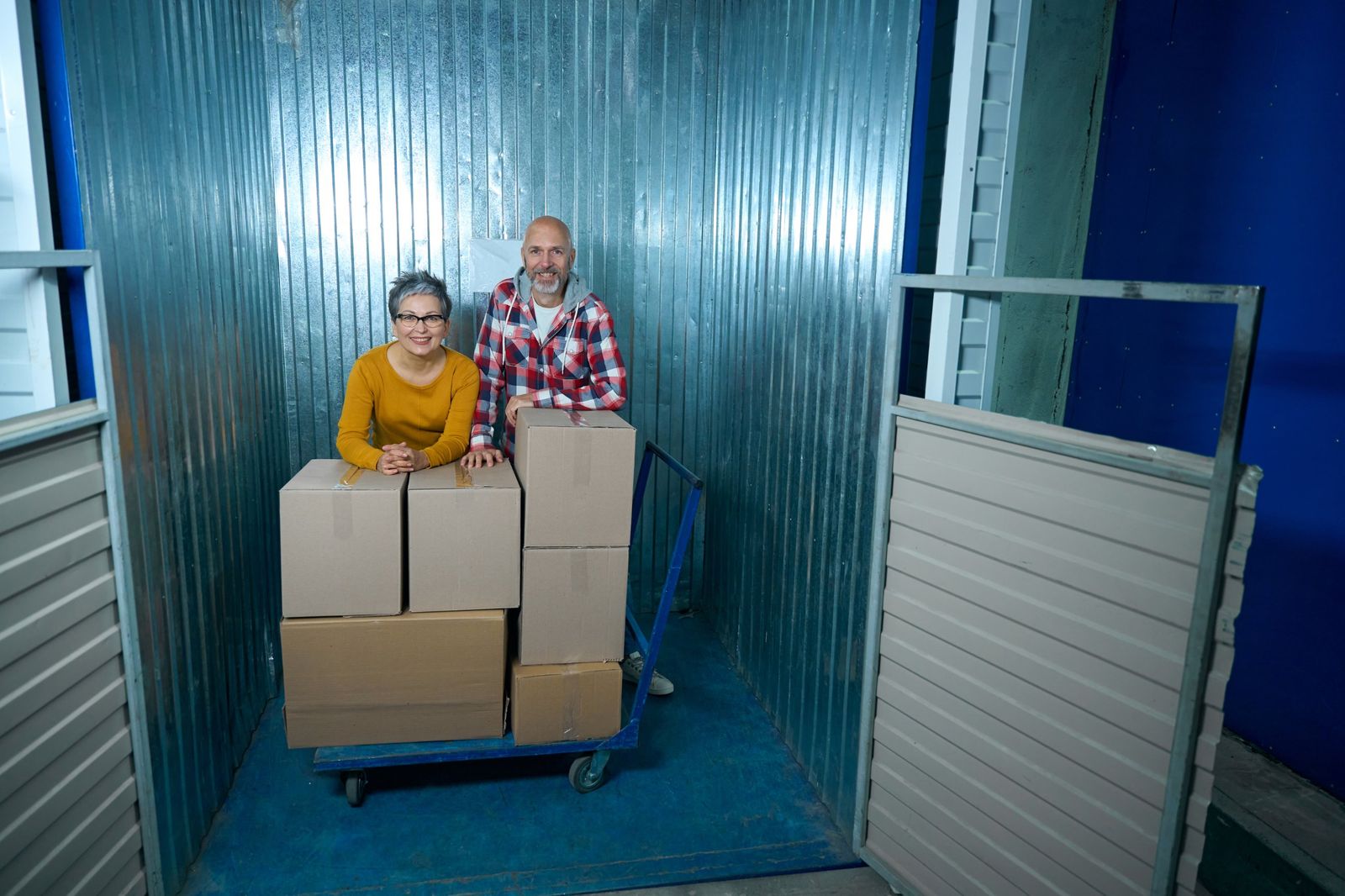
Learning how to pack a storage unit efficiently can help you save space, protect belongings, and make future visits easier. Whether you're moving, decluttering, or storing seasonal equipment, how you organize your unit makes a big difference. A well-planned layout allows you to fit more items without creating unstable stacks or blocking access to important belongings.
For residents looking for storage units in Antigonish, NS, Sunrise Storage offers convenient drive-up options for household, student, and business storage needs. Efficient packing starts before you arrive at the facility, with careful sorting, suitable containers, and a clear organization plan. These practical tips will help you use your available storage space more effectively.
Start With a Storage Unit Packing Plan
Before packing, create an inventory of everything you intend to store. Group similar belongings together, separating furniture, household goods, seasonal decorations, and equipment. This process helps you estimate the space required and identify items you no longer need.
Measure larger furniture pieces and consider whether you can disassemble them. Knowing the dimensions of sofas, tables, and shelving makes layout planning easier. You can also decide which belongings should remain accessible and which can be placed farther inside.
Choose the Right Packing Supplies
Using appropriate packing materials helps protect belongings while maximizing available space. Sturdy cardboard boxes, plastic storage bins, furniture covers, and packing paper are useful for different items. Selecting containers with similar dimensions also makes stacking easier and creates a more organized arrangement.
Use Uniform Boxes and Storage Bins
Boxes of similar sizes create stable stacks and reduce awkward gaps between containers. Choose smaller boxes for heavy belongings such as books and larger containers for lightweight items. Avoid overfilling boxes, as excessive weight can damage containers and make lifting difficult.
Plastic bins with secure lids can provide extra protection for belongings that need to stay separate from dust and moisture. Make sure everything is completely dry before sealing containers. Consistent container sizes also make it easier to rearrange your storage unit later.
Label Everything Clearly
Label each box with its contents and the room it came from. Writing descriptions on multiple sides makes it easier to identify containers after stacking. Numbering boxes and keeping a separate inventory can further simplify locating specific belongings.
How to Pack Furniture for Storage
Furniture often occupies the most space in a storage unit. Disassembling bed frames, tables, and removable shelving can significantly reduce their footprint. Keep screws, bolts, and other hardware in labeled bags, securely attached to the corresponding furniture.
Clean and dry furniture thoroughly before moving it into storage. Use breathable furniture covers where appropriate, and protect delicate surfaces with moving blankets. Avoid placing heavy boxes on upholstered furniture or stacking objects against fragile wooden surfaces.
Store Mattresses and Upholstered Furniture Carefully
Clean and fully dry mattresses before storage. Use an appropriate protective cover and follow the manufacturer's positioning recommendations. Avoid compressing mattresses beneath heavy furniture, as prolonged pressure may affect their shape.
Upholstered chairs and sofas also benefit from careful preparation. Vacuum surfaces, remove detachable cushions when practical, and avoid wrapping damp fabrics in plastic. Keeping furniture clean and dry reduces the risk of storage problems.
Make the Most of Vertical Storage Space
One of the easiest ways to maximize storage space is to organize belongings vertically. Place sturdy, heavier containers at the bottom and lighter boxes above them. Build stable stacks that do not exceed the containers' strength or create a tipping hazard.
Freestanding shelving can help organize smaller items without relying on unstable box towers. Choose shelves appropriate for the available space and follow their weight limits. Leave enough clearance to access containers safely without disturbing surrounding belongings.
Create a Storage Unit Layout That Works
An efficient storage unit should stay accessible after everything is packed. Place large furniture and items you rarely need toward the back, keeping frequently used belongings closer to the entrance. This arrangement reduces unnecessary lifting and rearranging during future visits.
If space permits, leave a narrow walkway through the unit. Organize boxes by category so seasonal decorations, household supplies, and business materials remain together. A simple layout diagram can help you remember where everything is located.
Protect Belongings From Moisture and Temperature Changes
Antigonish experiences changing seasonal temperatures and periods of damp weather, making proper storage preparation important. Sunrise Storage offers ventilated, non-heated units rather than climate-controlled storage. Items sensitive to freezing temperatures or humidity may require a different storage environment.
The Government of Canada's Get Prepared website provides information about preparing for seasonal weather conditions and protecting household essentials. Clean and dry belongings before packing, and avoid storing damp clothing, furniture, or equipment. Appropriate containers and periodic inspections can help reduce moisture-related problems.
Keep Sensitive Items Properly Protected
Documents, photographs, and delicate materials require additional consideration. The Canadian Conservation Institute's guidance on caring for paper documents provides recommendations for handling and protecting paper materials. Valuable or irreplaceable documents may be better kept in a suitable indoor environment.
Common Storage Unit Packing Mistakes to Avoid
Packing too quickly can lead to unstable stacks, damaged belongings, and wasted space. Avoid placing heavy items above fragile containers or blocking access to belongings you'll need regularly. Leaving furniture unprotected or storing items while they are damp can also lead to preventable problems.
Another mistake is filling every available corner without considering future access. Even a small amount of planned walking space can make retrieving belongings considerably easier. Check your facility's storage restrictions before packing prohibited or hazardous materials.
Pack Your Storage Unit Efficiently With Sunrise Storage
Packing a storage unit efficiently starts with thoughtful preparation and practical organization. Using consistent containers, protecting furniture, and arranging belongings by accessibility can help maximize your available space. Considering seasonal conditions also supports better storage decisions.
Sunrise Storage offers self-storage in Antigonish, NS, for residents managing household moves, student belongings, business equipment, and seasonal storage. With drive-up, ventilated storage units, customers can conveniently load and unload belongings. Explore available unit sizes and choose a storage solution that suits your needs.
Ready to store?
Book a drive-up unit online in minutes, or call us and we'll help you choose.